
It starts with you
Gambling Harm Awareness Week
Gambling Harm Awareness Week (GHAW) runs from 21–27 July 2025. It’s a time to shine a light on the impact gambling can have, share safer ways to gamble, and remind people that support is available if gambling starts to become a problem.
This year’s GHAW theme is ‘Protecting young people from gambling harm – it starts with you’. It’s a reminder to parents, carers, teachers, and loved ones that we all play a role in helping young people understand the risks and stay safe.
It’s no secret that gambling is popular in Australia. Young people are often exposed to it through TV, social media, video games, apps, and even people they know. When gambling is everywhere, it can start to feel like an easy way to win, or just harmless fun – even though the risks are serious and real. Protecting young people starts with all of us.
If you’re concerned about a young person in your life, there are ways to support them. Try having open, honest chats about gambling and the risks involved. These conversations can help them make informed choices and develop a healthy perspective on gambling.
Get started
Some simple tips to help you start the conversation
Young people may come across gambling in their everyday lives, especially considering its normalisation in Aussie culture, video games, and social media. Talking about it might feel tricky, but these chats can make a real difference.
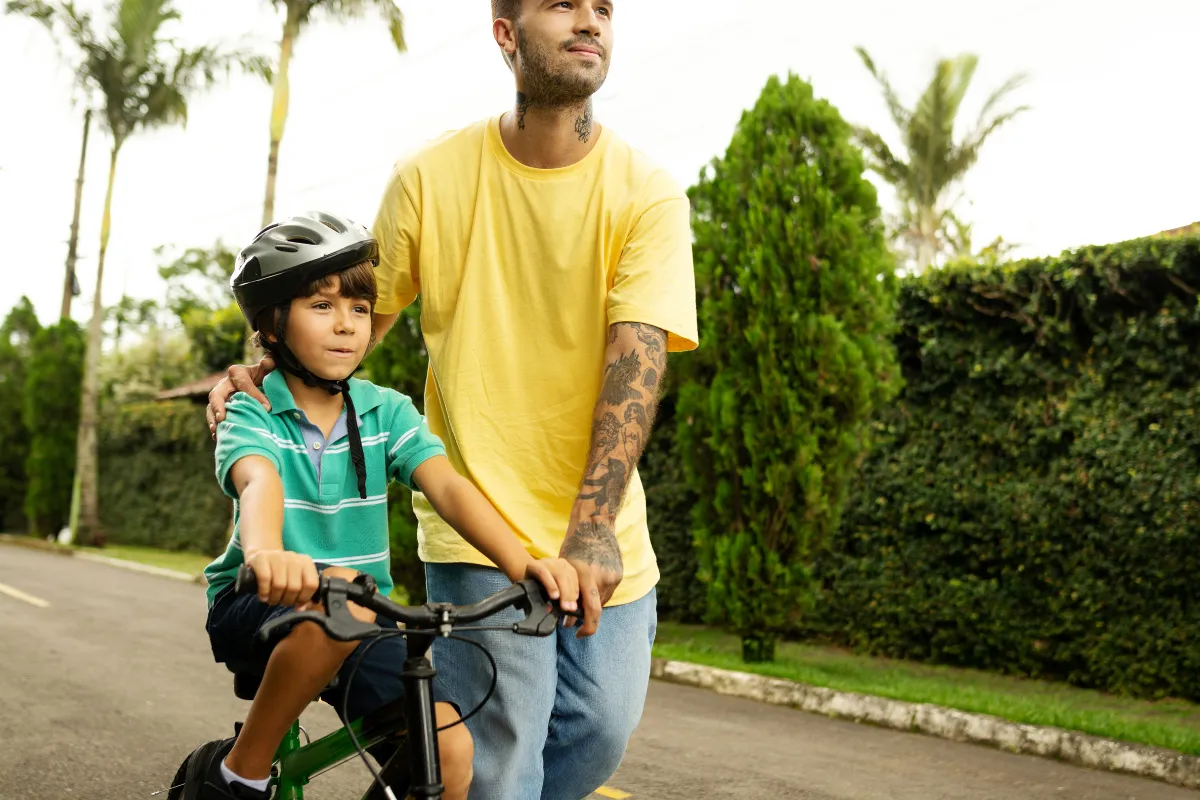
Choose the right moment
Bring it up when it feels natural, like if a gambling ad comes on TV or when a big sports match (like the State of Origin) is coming up.
Check in with them
Our counsellors provide practical support and personalised strategies to help you stop or cut down on gambling. From goal setting to accountability, we’re here every step of the way.
Explain how it works
Our counsellors provide practical support and personalised strategies to help you stop or cut down on gambling. From goal setting to accountability, we’re here every step of the way.
Video games can have features similar to gambling – and they can cause similar emotional responses
Here are a few common gambling-like features to be aware of:
Marketing and trading
Buying, selling, or trading in-game items, which can resemble real-world gambling systems.
Skin gambling
Using real money to bet with in-game “skins” (cosmetic upgrades or character customisations).
Social casino games
Simulations like slots or poker without using real money – often found as mini-games within video games.
Esports
Betting on the outcome of video game matches, sometimes with virtual items, in-game currency, or real money.
Virtual items and upgrades
Items like tools, skins, or power-ups that are won by chance or bought with real money.
In-game currency
Virtual, in-game currency that can sometimes be topped up using real money.
That doesn’t mean video games are bad
By understanding what the teen or child is playing, and by having these conversations, you can help them stay safe while enjoying their favourite games.
Here are some tips to help young people enjoy gaming safely:
- Help them set a budget for in-game purchases.
- Set daily or weekly screen time limits together.
- Mute or skip game content that pressures them to spend.
- Remind them that it’s just a game – the rewards aren’t real.
- Encourage regular breaks, especially if they’re feeling stressed or frustrated.
- Talk about the importance of not chasing losses, especially if they’re feeling upset.
- Support a healthy balance between gaming, school, sleep, social time, and other activities.
- Have open conversations about how some games are designed to keep them spending money or time.

How we can
support you
View all services
1800 858 858
The Gambling Helpline is available 24/7. Talk to a trained counsellor anytime — day or night.
Call nowCounselling
Free, ongoing support for you or your loved ones — in person, by phone, or online.
Learn moreOnline chat
Prefer typing over talking? Connect with a professional counsellor through Gambling Help Online.
Start chat